Beyond Nostalgia: The Unexpected Benefits of Restoring Classic Cars
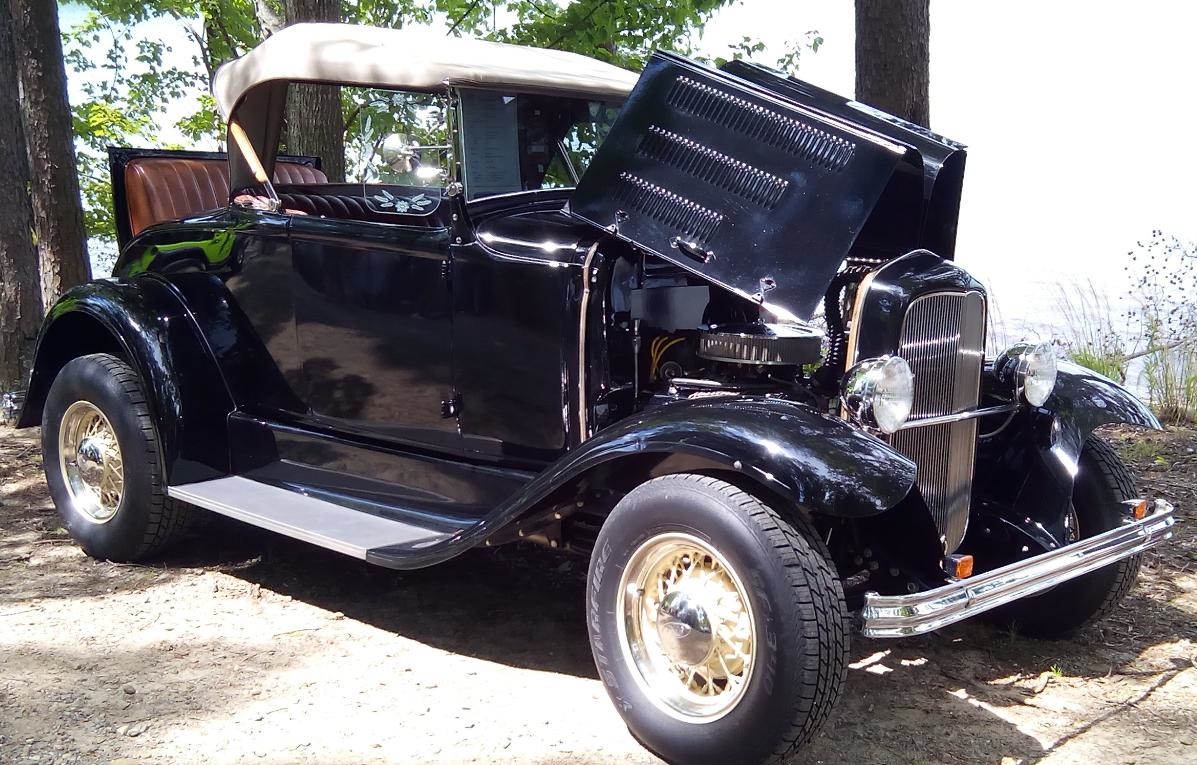
Thinking about restoring a classic car? Discover the surprising benefits beyond the nostalgia; from financial investment to skill development and community. Learn why it's more than just a hobby...
Key Takeaways
Preserves automotive history & heritage
Potential financial investment & ROI
Skill development & rewarding hobby
Unique community & shared passion
Tangible satisfaction & pride
More Than Just a Hobby: Preserving Automotive History
Classic cars aren't just vehicles; they're time capsules. They represent a specific period in design, engineering, and cultural trends. Many models, once considered commonplace, are now rare and valuable. Restoring a classic car is, in essence, a form of preservation. You’re safeguarding a piece of history for future generations, ensuring that the craftsmanship and design of these iconic machines aren't lost to time. Consider the Ford Mustang, the Chevrolet Bel Air, or the Jaguar E-Type; each a symbol of its era, each deserving of preservation.
The Financial Angle: Potential Investment and ROI
While passion should always be the primary driver, it's undeniable that classic car restoration can be a financially sound investment. The value of classic cars has steadily increased over the years, fueled by scarcity and a growing appreciation for automotive heritage. A well-executed restoration can significantly enhance a car’s value, potentially exceeding the initial investment of parts, labor, and the car's original purchase price. However, it’s crucial to approach restoration strategically. Research market trends, understand which models are in high demand, and prioritize a restoration that maintains originality and authenticity. A pristine, numbers-matching car (meaning all parts are original to the vehicle) commands a higher price than a heavily modified one.
Skills Galore:A Learning Experience
Restoring a classic car is a crash course in mechanics, fabrication, and artistry. You'll learn about engine rebuilding, bodywork, paint techniques, electrical systems, and upholstery; the very skills that are increasingly rare in today’s world. Even if you hire professionals for certain aspects (like engine machining or complex bodywork), you'll gain a deep understanding of the process. This hands-on experience isn't just about fixing a car; it's about acquiring valuable skills that can be applied to other areas of your life. The problem-solving skills you develop are invaluable.
The Community: Shared Passion and Camaraderie
The classic car world is a vibrant community of enthusiasts, restorers, and collectors. Joining a local car club or attending classic car shows provides opportunities to connect with like-minded individuals, share knowledge, and learn from experienced restorers. The support and camaraderie you find within this community can be incredibly rewarding, transforming a solitary project into a shared passion. Don’t underestimate the value of shared experiences and the knowledge gained from others.
The Personal Reward:Tangible Satisfaction and Pride
There's a profound sense of accomplishment that comes from breathing new life into a classic car. Seeing a rusted-out shell transform into a beautiful, functional machine is an incredibly satisfying experience. The pride you feel when you drive a car that you’s restored yourself is unmatched. It’s a tangible representation of your hard work, dedication, and passion. This sense of personal achievement is often the most valuable reward of all.
Navigating the Challenges: Realistic Expectations
Restoring a classic car isn't without its challenges. It requires significant time, effort, and financial resources. Parts can be difficult to find and expensive. Unexpected issues often arise, requiring creative solutions and problem-solving skills. It’s crucial to have realistic expectations and be prepared for setbacks. Thorough research, meticulous planning, and a healthy dose of patience are essential.
Choosing the Right Project: Matching Passion with Practicality
Not all classic cars are created equal. Some projects are more challenging than others. When choosing a restoration project, consider your skill level, budget, and available time. Start with a car that is relatively complete and in reasonable condition. Avoid projects that require extensive fabrication or are missing critical parts. Research the availability of parts and the complexity of the restoration process before committing.
Professional Help: Knowing When to Call in the Experts
While restoring a classic car can be a rewarding DIY project, there are times when it's best to seek professional help. Engine rebuilding, bodywork, and paintwork are often best left to experienced professionals. Don’t be afraid to outsource tasks that are beyond your skill level or that require specialized equipment. Finding a reputable classic car restoration shop can be a valuable investment in the long run.
Preserving Authenticity: Maintaining Value and Appeal
For many classic car enthusiasts, authenticity is paramount. Maintaining the car's originality is crucial for preserving its value and appeal. This means using original parts whenever possible and avoiding modifications that deviate from the car’s original design. A numbers-matching car is always more desirable than a heavily modified one.
The Future of Classic Car Restoration:A Growing Appreciation
The classic car hobby is experiencing a resurgence in popularity. As older generations pass on their passion to younger enthusiasts, the demand for restored classic cars is likely to continue to grow. This creates exciting opportunities for collectors, restorers, and enthusiasts alike. The future looks bright for those who appreciate the beauty and history of classic automobiles.
Leave a Comment
Comments
No comments yet. Be the first to share your thoughts!