The 1949 Ford Custom Shoebox: A Post-War Icon and Hot Rod Dream
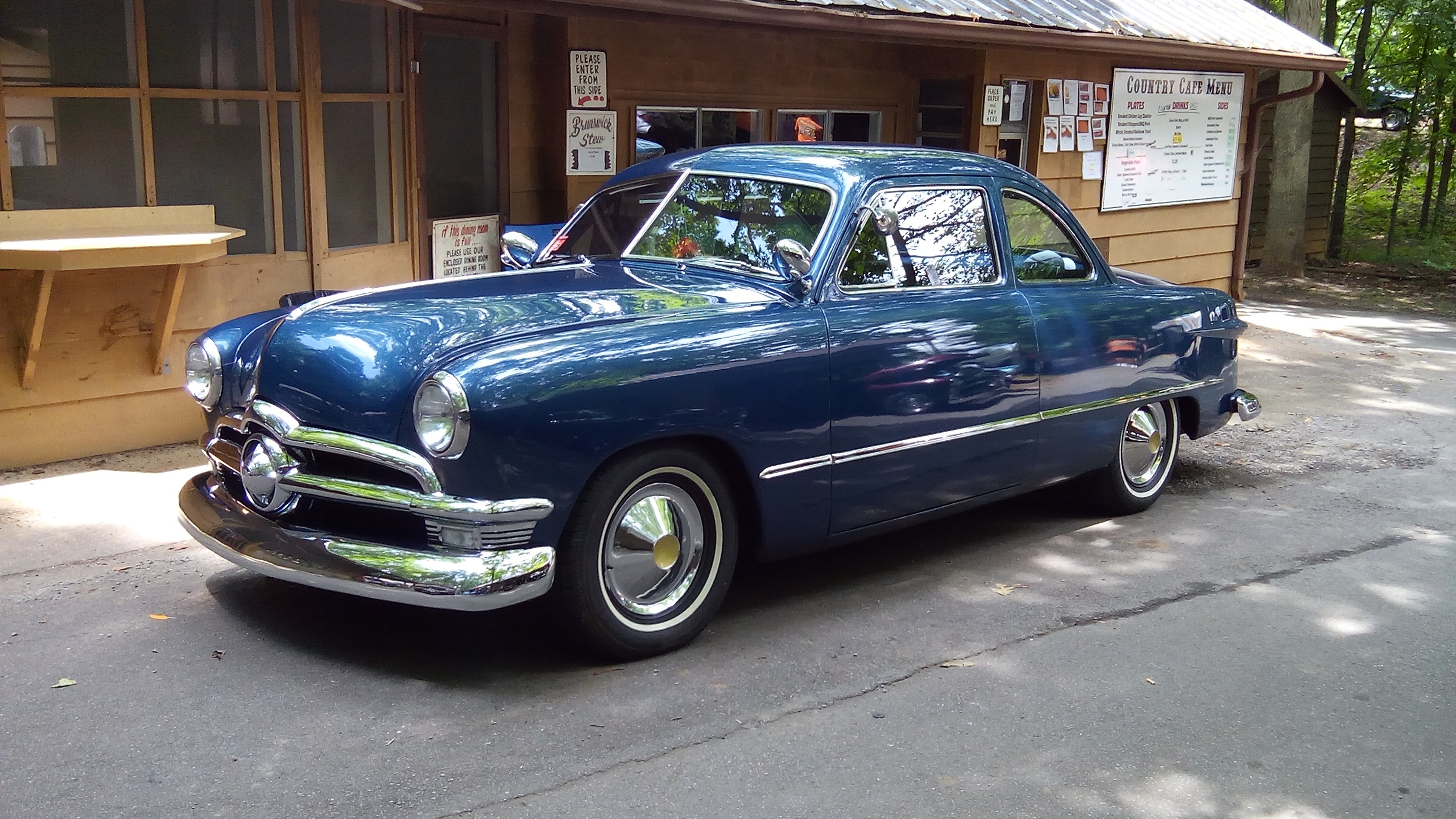
Discover the enduring legacy of the 1949 Ford Custom Shoebox, a car that defined an era. Explore its design, impact on hot rod culture, and why it remains a highly sought-after classic...
Key Takeaways
- Revolutionary 'shoebox' design
- Post-war style & optimism
- Foundation for hot rod culture
- Innovative 'Balloon' tires
- Collectible and highly desirable
The design of the 1949 Ford was a radical departure from the pre-war models. Ford’s design chief, Paul Sielaff, spearheaded a complete rethink, aiming for a lower, wider, and more modern aesthetic. The result was a car that looked like it had been pulled straight from a futuristic vision. The 'shoebox' moniker came from its compact dimensions and the distinctive, almost boxy, profile – a stark contrast to the rounded fenders of the 1930s and early 1940s. This new form factor wasn’t just about looks; it significantly improved the car’s handling and stability.
One of the most striking features was the incredibly low roofline. This, combined with the wide track, gave the car a planted and confident stance. The long hood and short deck further emphasized the car’s sleek appearance. The front grille, a simple horizontal bar design, was clean and modern, while the rear fender skirts, a popular styling cue of the time, added a touch of elegance. The overall impression was one of understated sophistication, a welcome change from the more ornate designs of the past.
But the 1949 Ford wasn't just about its revolutionary design; it was also about the technology under the hood. Ford introduced a completely new engine family, the Ford V8, which quickly became a favorite among enthusiasts. Available in two displacements – 221 cubic inches and 255 cubic inches – these engines provided ample power for the relatively lightweight car. The standard engine was a 221 cubic inch V8, offering a respectable 85 horsepower. For those seeking more performance, the 255 cubic inch V8, producing 100 horsepower, was the engine of choice. The availability of a V8 engine in a car of this price point was a significant selling point, and it helped to establish the 1949 Ford as a performance leader.
The introduction of 'Balloon' tires was another innovation that significantly impacted the car’s ride and handling. These wider, lower-profile tires provided a smoother ride and improved traction compared to the narrow, high-profile tires of previous models. They also contributed to the car’s modern, streamlined appearance. The tires were a key element in the overall design, and their impact on the car’s performance and aesthetics cannot be overstated.
The 1949 Ford was an immediate success, selling over a million units in its first year. It quickly became a symbol of post-war prosperity and optimism. But its impact went far beyond just sales figures. The car’s sleek design and powerful V8 engine made it an ideal platform for hot rodders. The relatively low cost and readily available parts made it accessible to a wide range of enthusiasts.
The 1949 Ford’s influence on hot rod culture is undeniable. It became the go-to car for customization and performance upgrades. The low roofline lent itself perfectly to chop jobs, while the powerful V8 engines were easily modified for even greater horsepower. The clean lines and simple design made it easy to personalize, and the relatively lightweight body allowed for impressive acceleration. Countless 1949 Fords were transformed into iconic hot rods, further solidifying the car’s place in automotive history. From fender rolling to engine swaps, the '49 Ford was a blank canvas for automotive creativity.
The '49 Ford’s legacy continues to this day. It remains a highly sought-after classic car, prized for its iconic design, historical significance, and potential for customization. Restoring a '49 Ford is a labor of love, requiring meticulous attention to detail and a deep appreciation for automotive history. However, the reward is a stunning example of a true American classic.
Finding original parts can be a challenge, but a thriving community of enthusiasts and dedicated suppliers ensures that restoration efforts are supported. The value of a well-preserved or restored 1949 Ford Custom can vary greatly depending on condition, originality, and modifications. However, they consistently command strong prices in the classic car market.
The 1949 Ford Custom Shoebox wasn’t just a car; it was a cultural phenomenon. It captured the spirit of a nation rebuilding and looking forward to a brighter future. Its design was revolutionary, its performance impressive, and its influence on hot rod culture enduring. It remains a testament to Ford’s vision and a beloved icon of American automotive history. The car’s simplicity and inherent style continue to resonate with enthusiasts of all ages, ensuring its place as a true legend. It represents a pivotal moment in automotive design and a symbol of post-war American optimism...
Leave a Comment
Comments
No comments yet. Be the first to share your thoughts!