Beyond Nostalgia: Why Classic Cars Are Actually *Fun* to Drive (and Why You Should Try It)
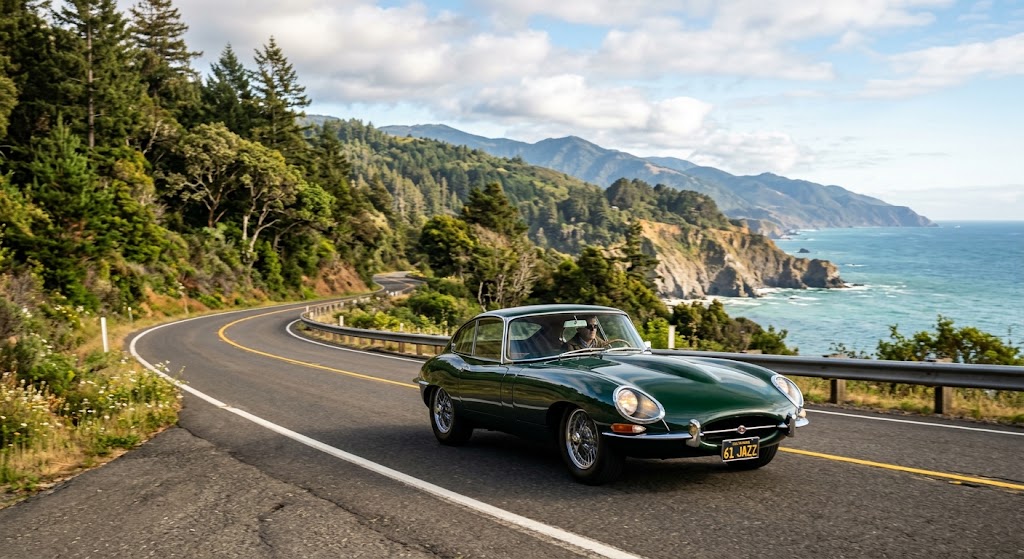
Forget pristine displays, classic cars offer an engaging driving experience. Discover the joys of mechanical simplicity, raw power, and a deeper connection to automotive histo
Key Takeaways
- Unique driving feel
- Mechanical simplicity
- Connection to history
- Appreciation of engineering
- Rewarding ownership experience
The Visceral Driving Experience: Driver Engagement vs. Modern Automation
Driving a classic car isn’t about speed; it’s about engagement. Modern cars, with their sophisticated electronics and automated systems, often insulate the driver from the road. You’re told what to do, how to do it, and when to do it. Classic cars, on the other hand, demand your attention. They require you to be present, to anticipate, and to react. There's a directness, a visceral connection between the driver and the machine that's largely absent in contemporary vehicles.
Consider a 1967 Mustang. It's not about achieving blistering acceleration; it's about feeling the rumble of the V8 beneath you, hearing the mechanical symphony of the engine, and experiencing the feedback through the steering wheel. It’s about carefully selecting the gear, feeling the weight of the car as you navigate a corner, and understanding the limits of the machine. That’s a level of interaction that's simply not available in most modern cars.
Under the Hood: The Beauty of Mechanical Simplicity
One of the key reasons classic cars are so engaging to drive is their mechanical simplicity. While some classic cars boast surprisingly complex systems for their time, the overall philosophy was one of straightforward engineering. Fewer electronic controls mean fewer potential points of failure, and more importantly, it means you can actually understand what’s happening under the hood. Diagnosing a problem in a classic car isn't always easy, but it’s often far more intuitive than deciphering a complex diagnostic code in a modern vehicle. This simplicity fosters a deeper appreciation for the ingenuity of the engineers who designed these cars.
This isn’t to say that driving a classic car is without its challenges. They often require more maintenance than modern cars, and their performance characteristics are significantly different. Handling is often less precise, braking distances are longer, and power delivery can be unpredictable. However, these challenges are part of the experience. They force you to drive smarter, to be more aware of your surroundings, and to develop a greater respect for the machine.
Raw Performance and Timeless Aesthetic Appeal
Let's talk about performance. While a classic muscle car might not outrun a modern sports car in a straight line, the way it delivers that power is entirely different. The raw, untamed nature of a carbureted engine, the feeling of the torque pulling you forward, the sound of the exhaust – these are sensations that are rarely experienced in today's world. It's not about chasing lap times; it’s about savoring the moment and appreciating the character of the car.
Furthermore, classic cars often possess a certain elegance and style that’s largely absent in modern vehicles. The lines, the curves, the details—they tell a story of a different era, a time when cars were designed with a greater emphasis on aesthetics and craftsmanship. Owning a classic car isn’t just about owning a vehicle; it’s about owning a piece of history.
Hands-On Ownership: Maintenance, Restoration, and Community
Let’s delve into the maintenance aspect. Yes, classic cars require more attention than their modern counterparts. Parts can be harder to find, and repairs often require specialized knowledge. However, this is also part of the appeal for many enthusiasts. Learning to work on your own car, understanding its intricacies, and preserving its originality is a deeply satisfying experience. There's a sense of accomplishment that comes from successfully diagnosing and repairing a problem yourself.
The classic car community is also a significant draw. Classic car clubs and events provide opportunities to connect with like-minded individuals, share knowledge, and celebrate the passion for these iconic machines. It’s a welcoming and supportive community where enthusiasts of all skill levels are encouraged to participate.
Consider a 1950s Bentley. It's not about speed or agility; it’s about the experience of driving a luxurious, handcrafted machine. The feel of the wood and leather interior, the sound of the straight-six engine, the sense of timeless elegance – these are sensations that transport you to a different era. It’s about appreciating the craftsmanship and the attention to detail that went into creating such a magnificent automobile.
Practical Considerations: Classic Car Safety and Affordability
Safety is, of course, a legitimate concern. Classic cars were not designed with the same safety features as modern vehicles. However, responsible drivers can mitigate these risks by driving defensively, maintaining their cars in good condition, and avoiding dangerous situations. Many classic car owners also choose to upgrade certain safety features, such as brakes and tires, to enhance their driving experience.
Let's address the cost. Classic cars can be expensive to purchase and maintain. However, there are classic cars to suit every budget. With careful research and a bit of luck, you can find a classic car that’s both affordable and enjoyable to drive. Remember that owning a classic car is an investment, not just in a vehicle, but in a passion and a piece of history.
Conclusion: The Lasting Thrill of the Open Road
The joy of driving a classic car isn’t just about the mechanics; it's about the connection it provides. It's a connection to a simpler time, a connection to the history of the automobile, and a connection to the community of enthusiasts who share your passion. It's a chance to escape the stresses of modern life and experience the joy of driving in a truly unique way.
Finally, let's not forget the sound. The rumble of a classic engine, the roar of the exhaust, the clatter of the valves – these are sounds that are increasingly rare in today's world. They evoke a sense of nostalgia and excitement that’s hard to replicate. Driving a classic car is an auditory experience as much as it is a visual and tactile one.
So, if you’re looking for a driving experience that’s engaging, rewarding, and steeped in history, consider getting behind the wheel of a classic car. It’s an adventure that’s well worth taking…
Leave a Comment
Comments
No comments yet. Be the first to share your thoughts!