Decoding the 4-Barrel Carburetor: A Classic Car Owner's Guide to Troubleshooting
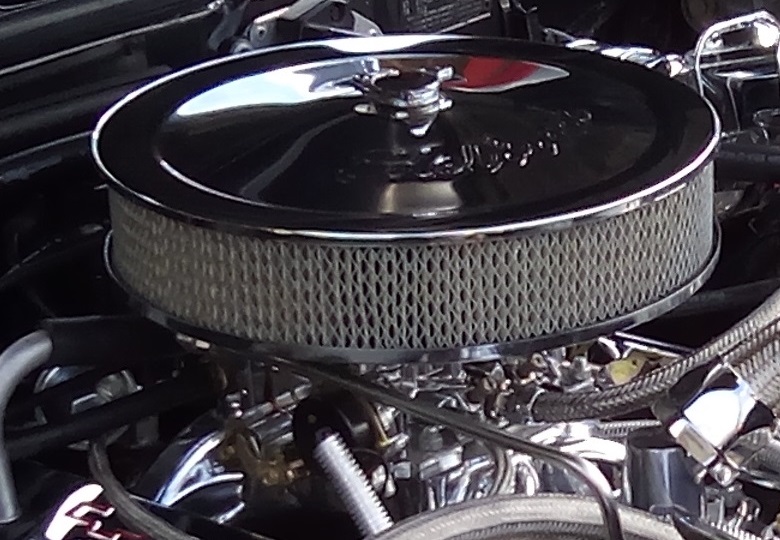
The 4-barrel carburetor was a staple of classic American muscle. Learn how these vital engine components work, common issues, and basic troubleshooting tips to keep your vintage ride running smoothly...
Key Takeaways
Explains basic 4-barrel operation
Covers metering, jets, and circuits
Highlights common issues & fixes
Shows vacuum's crucial role
Simplifies carb rebuild basics
At its core, the carburetor's job is simple
to mix air and fuel in the correct ratio for combustion. But achieving that “correct ratio” isn’t a passive process. It’s a dynamic system responding to changing engine demands from idling to wide-open throttle. The 4-barrel carburetor, prevalent in many muscle cars and performance vehicles from the 1960s and 1970s, is designed to deliver more airflow than its 2-barrel counterparts, contributing to increased power output.
The Anatomy of a 4-Barrel Carburetor
Let's start with the main parts. A typical 4-barrel carburetor consists of several key components, each playing a vital role. The float bowl is perhaps the most recognizable. It houses a float, connected to a needle valve, which maintains a constant fuel level. The fuel pump delivers fuel to the carburetor, and the needle valve regulates the flow to keep the float bowl full.
The venturi is the heart of the carburetor’s operation. It's a constricted section of the intake passage. As air rushes through the venturi, it creates a vacuum, drawing fuel from the float bowl. The size and shape of the venturi significantly impact the carburetor’s overall performance. A larger venturi allows for more airflow, essential for high-performance applications.
Then there are the jets. These precisely sized orifices control the amount of fuel delivered to the engine. Different jets handle different operating conditions. The primary jet handles fuel delivery at lower engine speeds, while the secondary jet kicks in at higher speeds and throttle openings. The size of these jets is critical – too small, and the engine will run lean (potentially damaging); too large, and it will run rich (wasting fuel and potentially fouling spark plugs).
Metering Circuits:The Fuel Delivery System
The 4-barrel carburetor uses several metering circuits to deliver fuel under varying conditions. The idle circuit provides fuel at idle speeds, ensuring smooth operation when the throttle is closed. It often uses a separate, smaller jet and a calibrated idle mixture screw for fine-tuning. The primary circuit handles most of the fuel delivery under normal driving conditions. As throttle is applied, more air flows through the venturi, drawing more fuel from the primary circuit.
The secondary circuit is where the 4-barrel truly shines. Most 4-barrel carburetors are designed with a dual-circuit system. The secondary barrel is activated at higher engine speeds or when the throttle is opened significantly. This provides a substantial increase in airflow, delivering more power. There are different types of secondary systems, vacuum-operated, mechanical, and electric, each with its own activation method.
The Role of Vacuum
Vacuum is absolutely critical in a 4-barrel carburetor's operation. It’s not just about creating the vacuum in the venturi; it's also used to operate various components, particularly in the secondary circuit. Vacuum diaphragms control the opening and closing of the secondary barrel, ensuring it activates only when needed. The vacuum signal is often taken from the intake manifold, providing a direct indication of engine load. A vacuum leak anywhere in the system from a cracked hose to a faulty gasket, can significantly impact engine performance, causing rough idling, poor acceleration, and increased fuel consumption.
Common Issues and Troubleshooting
Like any mechanical component, carburetors are susceptible to problems. Here are a few common issues and how to approach them:
- Rough Idle: This could be caused by a vacuum leak, a dirty idle circuit, or an improperly adjusted idle mixture screw.
- Poor Acceleration: A clogged primary or secondary jet, a vacuum leak, or a malfunctioning accelerator pump can all contribute to poor acceleration.
- Fuel Leaks: Fuel leaks are a serious safety hazard and often indicate a faulty float valve, a cracked fuel line, or a damaged carburetor body.
- Black Smoke from Exhaust: This typically indicates a rich fuel mixture, often caused by oversized jets or a faulty oxygen sensor (if equipped).
Basic Carburetor Rebuild Considerations
Rebuilding a carburetor can seem daunting, but it's a rewarding experience for the mechanically inclined. It involves disassembling the carburetor, cleaning all the components, replacing worn parts (like gaskets, needle valves, and jets), and reassembling it carefully. A rebuild kit typically includes all the necessary replacement parts. However, a carburetor rebuild isn't just about replacing parts; it's about understanding how the carburetor works and ensuring everything is assembled correctly. Thorough documentation (photos are invaluable!) during disassembly is crucial for successful reassembly.
Conclusion
The 4-barrel carburetor represents a fascinating blend of mechanical ingenuity and performance engineering. While modern fuel injection systems have largely replaced carburetors in contemporary vehicles, understanding how these classic components work remains essential for any enthusiast of vintage automobiles. By grasping the principles of air-fuel mixing, metering circuits, and vacuum operation, you're better equipped to diagnose and maintain your classic car, ensuring it continues to deliver that iconic rumble and exhilarating driving experience for years to come...
Leave a Comment
Comments
No comments yet. Be the first to share your thoughts!