From Generators to Alternators: A Classic Car Charging System Evolution
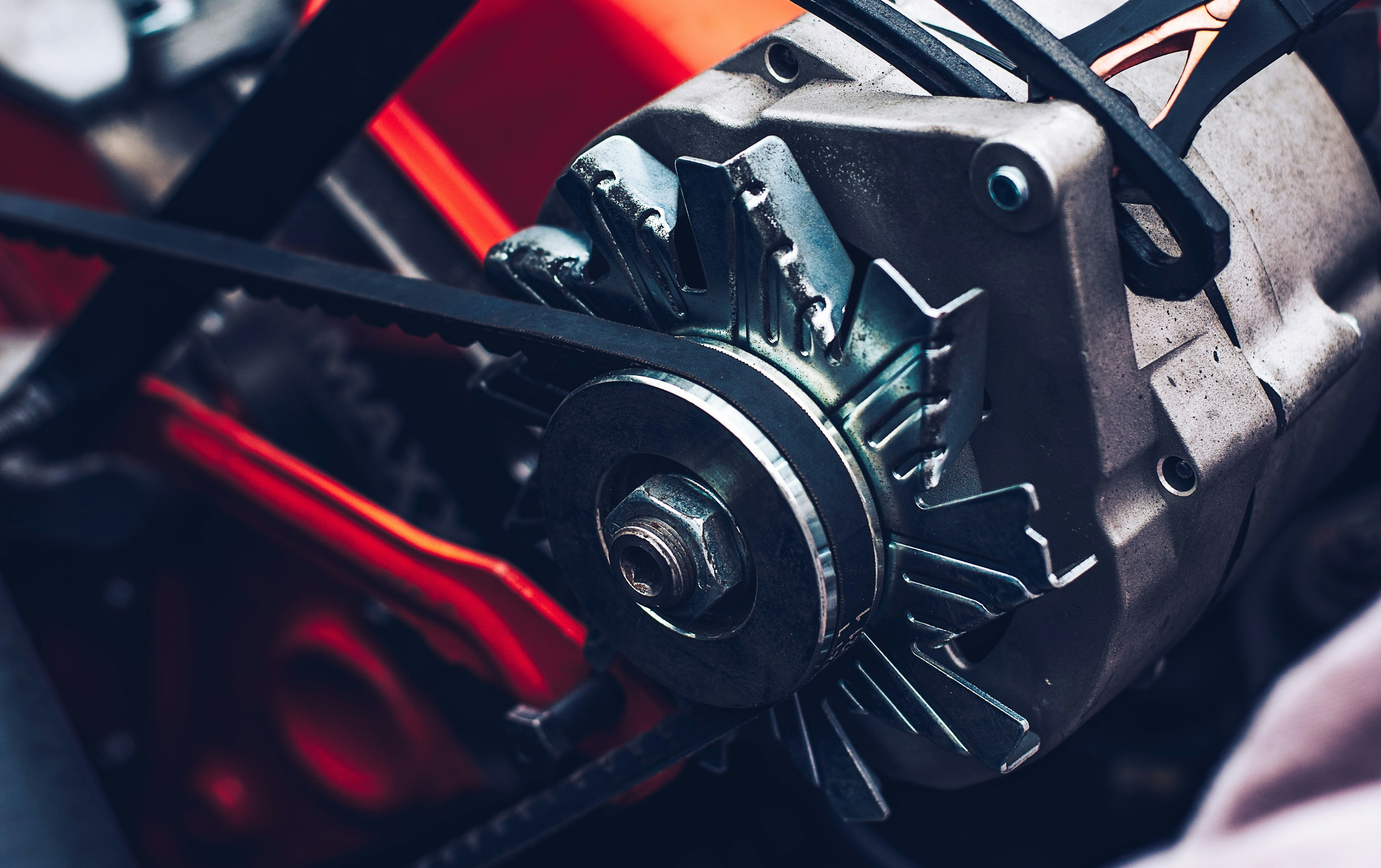
Delve into the fascinating history of classic car charging systems! We explore the shift from generators to alternators, their differences, conversion considerations, and essential maintenance tips. Keep your vintage ride powered up...
Key Takeaways
- Generators were early charging systems.
- Alternators offer higher output & efficiency.
- Understanding voltage drop is crucial.
- Conversion can improve classic car performance.
- Maintenance differs significantly.
Let's rewind to the dawn of the automotive age. The first automobiles, appearing in the late 1800s and early 1900s, needed a way to replenish the electrical power used to run their rudimentary electrical systems, which was originally just for ignition. Generators, also known as dynamos, were the answer. These devices, essentially rotating coils of wire within a magnetic field, converted mechanical energy from the engine's crankshaft into electrical energy to charge the battery. Early generators were relatively simple in design, but they had significant limitations.
The primary issue with generators was their output characteristics. A generator's output voltage decreased as engine RPM increased. This meant that at lower speeds, the battery received a reasonable charge, but as the engine revved higher, the charging voltage would drop, potentially leading to a discharged battery. Furthermore, generators were less efficient than their successors, wasting a significant portion of the engine’s power. The design often required a separate field regulator, adding complexity and potential points of failure.
As the demands on automotive electrical systems grew (think headlights, radios, and eventually, electric wipers), the limitations of generators became increasingly apparent. Enter the alternator. Developed in the 20th century, alternators represented a significant leap forward in charging technology. Unlike generators, alternators increase their output voltage with engine RPM. This ensured a more consistent and robust charging system, even at higher speeds.
The fundamental difference lies in the construction. An alternator uses a rotating magnetic field, rather than a rotating coil. This allows for higher output even at lower RPMs, a crucial advantage for classic cars often driven at lower speeds. The increased efficiency also meant less engine power was wasted in the charging process. Modern alternators utilize silicon-controlled rectifiers (SCRs) to convert the alternating current (AC) produced by the rotating field into direct current (DC) for charging the battery. This conversion is much more efficient than the mechanical commutation found in generators.
So, why aren’t all classic cars running alternators then? The answer is often a mix of original equipment and the challenges associated with conversion. Many early automobiles were originally equipped with generators, and preserving originality is a priority for some enthusiasts. However, the benefits of an alternator conversion are undeniable for those seeking improved performance and reliability.
Converting from a generator to an alternator isn’t always a straightforward process. While the core principle is swapping the charging device, several considerations are crucial. The wiring harness, voltage regulator, and drive pulley often need modification. Classic car electrical systems were designed for the lower voltage output of generators (typically 6 volts or 12 volts, depending on the era). An alternator, especially a modern one, might produce a higher voltage if not properly regulated, potentially damaging sensitive components like gauges and lights.
Voltage drop is a key factor. As a classic car ages, the wiring deteriorates, and connections corrode, leading to voltage drop. This reduced voltage can significantly impact the alternator's ability to charge the battery effectively. Addressing voltage drop through careful cleaning, tightening connections, and potentially replacing wiring is a vital step in any charging system upgrade.
Choosing the right alternator for a classic car conversion is important. You don’t want an alternator that’s overly powerful for the vehicle’s electrical needs, as it can put undue stress on the engine and charging system components. However, it should be capable of handling the vehicle’s electrical load, especially if it has been upgraded with modern accessories.
Maintenance differs significantly between generators and alternators. Generators require periodic brush replacement and occasional regulator adjustments. Alternators are generally more reliable, but they still need occasional inspection and cleaning. The internal regulator in a modern alternator usually requires no adjustment, but the external voltage regulator (if present) may need occasional cleaning or replacement.
Understanding the electrical system’s grounding is absolutely essential. A poor ground connection can create a host of electrical problems, including charging issues. Ensuring a clean and secure ground connection between the engine block, chassis, and battery is crucial for optimal charging system performance.
In conclusion, the evolution from generators to alternators represents a significant advancement in automotive technology. While preserving originality is important to some, the benefits of an alternator conversion (improved charging efficiency, increased output, and enhanced reliability), are compelling reasons for many classic car enthusiasts to make the switch. Whether you’re a seasoned restorer or a casual admirer of vintage vehicles, understanding the differences between these two charging systems provides valuable insight into the ingenuity and evolution of the automobile.
Leave a Comment
Comments
No comments yet. Be the first to share your thoughts!