6-Volt vs. 12-Volt Systems: A Classic Car Electrical Deep Dive
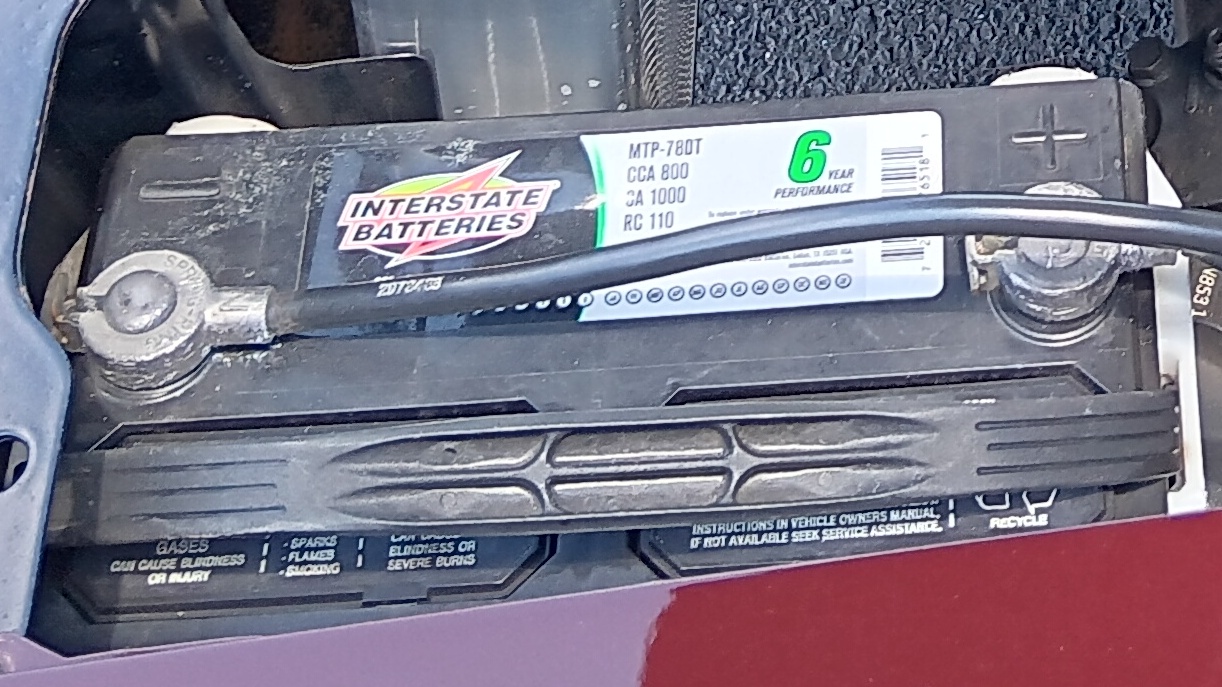
Confused about 6-volt and 12-volt electrical systems in classic cars? Discover why some classics use 6V, the advantages of 12V, and the challenges of converting between them. Preserve your classic's originality...
Key Takeaways
- 6V systems were standard until the 1960s.
- 12V offered more power for features.
- Converting 6V to 12V is possible, but complex.
- Originality is key – preserve 6V where possible.
- 6V parts can be harder & pricier to find.
Let’s rewind a bit. The early days of the automotive industry, stretching back to the very first cars, relied heavily on simpler electrical systems. Initially, many vehicles didn’t even have electrical systems! They were purely mechanical. As technology progressed, rudimentary lighting and starter motors became necessities, and the first electrical systems were born. In the 1920s and 1930s, 6-volt systems were the norm. This was largely due to the technology available at the time. Generators (the precursors to alternators) simply weren't efficient enough to produce 12 volts reliably, especially in the demanding conditions of early automobiles. The cost of components was also a significant factor.
Think about the cars of the era
Ford Model Ts, Chevrolets, and Plymouths; many of these were equipped with 6-volt systems. These systems were adequate for the limited electrical demands of the time. Headlights were less powerful, radios were rare (and often battery-powered), and electric wipers were a luxury few could afford. The focus was on basic functionality: getting the car started and providing enough light to see the road.
However, as cars became more sophisticated in the 1940s and 1950s, the limitations of the 6-volt system became increasingly apparent. Features like electric heaters, more powerful radios, brighter headlights, and electric windshield wipers started to become commonplace. A 6-volt system simply couldn’t handle the increased electrical load without significant issues like voltage drop, dim lights, and a struggling starter motor. This is where the transition to 12-volt systems began.
General Motors was a major driving force behind this shift. They introduced 12-volt systems in some of their vehicles in the mid-1950s, and other manufacturers quickly followed suit. The advantages were undeniable. A 12-volt system provided roughly twice the power of a 6-volt system, allowing for more features and improved performance. This also meant that components could be smaller and more efficient.
So, why didn’t the switch happen overnight? The transition wasn’t as simple as just changing the voltage. Everything had to be redesigned, from the battery and starter motor to the wiring harness and all the electrical components. This required a significant investment in research and development, and it took time for the entire industry to adapt.
What does this mean for you, the classic car owner? If you’re fortunate enough to own a classic car with a 6-volt system, you’re inheriting a piece of automotive history. However, it also comes with some unique challenges. Parts for 6-volt systems are often harder to find and can be more expensive than their 12-volt counterparts. Sourcing original components can be a real scavenger hunt, and reproduction parts, while available, may not always be of the same quality as the originals.
Converting a 6-volt system to 12 volts is a possibility, and many enthusiasts have done so. However, it's not a straightforward process. It involves replacing almost every electrical component, including the battery, starter motor, generator or alternator, voltage regulator, wiring harness, and all the lights and gauges. It’s a significant undertaking that requires a good understanding of electrical systems and careful planning. While it can offer the benefits of a 12-volt system (easier parts availability, brighter lights, more powerful accessories), it also sacrifices a degree of originality.
Preserving Originality vs. Modern Convenience
This is the classic enthusiast’s dilemma. While a 12-volt conversion can make a 6-volt car more user-friendly, it fundamentally alters the car's original design and character. Many purists believe that preserving the original 6-volt system is essential for maintaining the car’s authenticity and historical significance. It’s a matter of personal preference and depends on how you intend to use the car.
Common Problems with 6-Volt Systems
Even if you choose to preserve the original 6-volt system, be prepared for some potential issues. Dim lights, a weak starter motor, and a failing voltage regulator are common complaints. Regular maintenance, including keeping the battery properly charged and ensuring good electrical connections, is crucial for keeping a 6-volt system running smoothly. Upgrading to a higher-output alternator that can mimic the output of a generator can be a good compromise, providing more power without converting the entire system.
Understanding Voltage Drop
Voltage drop is a critical issue in 6-volt systems. Because the voltage is lower, even a small amount of resistance in the wiring or connections can significantly reduce the voltage reaching the electrical components. This can lead to dim lights, a sluggish starter, and other problems. Ensuring clean, tight connections and using the correct gauge wiring is essential for minimizing voltage drop.
In conclusion, the transition from 6-volt to 12-volt systems in classic cars reflects the evolution of automotive technology. While 6-volt systems offer a glimpse into the past, 12-volt systems provide more power and convenience. The choice of whether to preserve a 6-volt system or convert to 12 volts is a personal one, but understanding the pros and cons of each is essential for any classic car enthusiast...
Leave a Comment
Comments
No comments yet. Be the first to share your thoughts!