Muscle Car Mends: A Deep Dive into Restoring American Iron
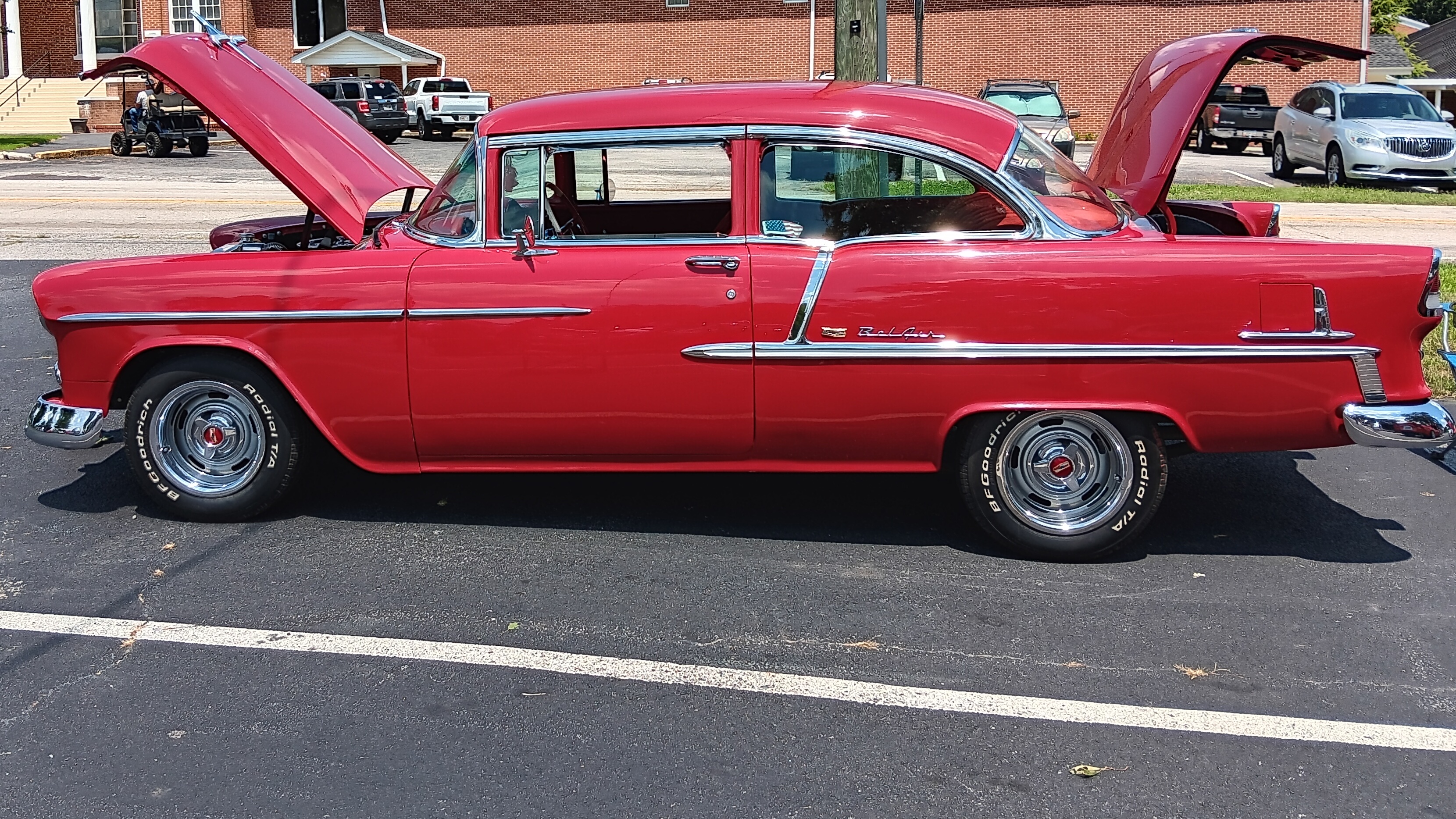
Reviving a classic muscle car is a labor of love. Explore the challenges, techniques, and rewards of restoring American iron, from rust repair to engine rebuilds. Learn about parts sourcing, documentation, and the passion behind bringing these legends back to life...
Key Takeaways
- Rust repair is crucial.
- Engine rebuilds are complex.
- Sourcing correct parts is key.
- Patience is a virtue.
- Documentation is essential.
Restoring a muscle car isn’t like fixing a modern car. You're often dealing with decades of wear and tear, obsolete technology, and a scarcity of parts. It’s a process that demands a blend of technical expertise, meticulous attention to detail, and a healthy dose of patience. Let's delve into the key areas of muscle car restoration.
The Rust Factor: An Ever-Present Enemy
Rust is the single biggest challenge facing most muscle car restoration projects. These cars were often exposed to harsh conditions and weren’t built with the corrosion resistance we expect today. Common rust hotspots include the lower quarter panels, rocker panels, floor pans, cowl area, and around the wheel wells.
Identifying rust is the first step. It’s not enough to just spot surface rust; you need to find the hidden, structural rust that’s eaten away at the metal. This often requires probing with a screwdriver or using specialized rust detection tools.
Repairing rust can range from simple surface treatment to complete panel replacement. Smaller areas can be patched with welding, while larger areas often require cutting out the rusted metal and fabricating a new panel. This requires welding skills and a good understanding of metal fabrication. Media blasting is often used to strip away paint and reveal the extent of the rust, but it can also damage thinner metal if not done carefully.
The Heart of the Beast: Engine Rebuilds
The engine is the heart of any muscle car, and restoring it is often the most complex and rewarding part of the project. Many original engines were built with relatively simple designs, but that doesn’t mean they’t be easy to rebuild. Years of use, heat cycles, and neglect can lead to significant wear and tear on internal components.
A complete engine rebuild typically involves disassembling the engine, cleaning all the parts, inspecting them for wear and damage, and replacing any worn or damaged components. This includes pistons, rings, bearings, camshaft, lifters, and valves. The block and cylinder heads are often machined to restore their original dimensions.
Important considerations include sourcing the correct replacement parts. Original equipment manufacturer (OEM) parts are ideal, but can be difficult and expensive to find. Aftermarket parts are often available, but it’s important to choose reputable brands that meet or exceed OEM specifications. Proper clearances and torque specifications are crucial for ensuring the engine runs reliably and efficiently.
The Hunt for Authenticity: Parts Sourcing
Finding the correct parts for a muscle car restoration can be a full-time job in itself. Many original parts are no longer manufactured, and those that are available can be rare and expensive. The internet has made parts sourcing much easier, but it’s still important to be careful.
Beware of reproductions. While reproduction parts can be a cost-effective alternative to original parts, the quality can vary significantly. It’s important to do your research and choose reputable suppliers. Forums and online communities are invaluable resources for identifying correct parts and finding suppliers.
Don’t overlook the small details. It’s not enough to just replace the major components; the little things matter too. Correct hoses, clamps, fasteners, and decals can make a big difference in the overall authenticity of the restoration.
The Importance of Documentation
Thorough documentation is essential for any muscle car restoration project. This includes taking detailed photographs before, during, and after disassembly, keeping a detailed inventory of all parts, and keeping records of all work performed.
Original build sheets and dealer invoices can provide valuable information about the car’s original specifications and options. These documents can be difficult to find, but they’re worth the effort.
Keeping a detailed logbook of all work performed is also crucial. This logbook should include dates, descriptions of work, parts used, and any problems encountered. This information will be invaluable for future reference and can also increase the car’s value.
Beyond the Mechanics: Bodywork and Paint
While mechanical restoration is critical, the body and paintwork are equally important. Straightening the body panels and achieving a smooth, even surface is a skill that takes years to master. Body filler is often used to repair dents and imperfections, but it’s important to use it sparingly and to apply it correctly.
Paint selection is another important consideration. Original paint colors and finishes can be difficult to match, but it’s worth the effort to achieve an authentic look. Modern paints offer improved durability and UV protection, but they may not look exactly the same as the original paint.
The Patience Factor
Restoring a muscle car is a marathon, not a sprint. It takes time, money, and a lot of hard work. There will be setbacks and frustrations along the way. It’s important to be patient and to enjoy the process. The satisfaction of bringing a classic muscle car back to life is well worth the effort.
Finally, remember that restoration is often about preserving history. These cars represent a unique era in American automotive design and engineering. By restoring them, we’re not just preserving vehicles; we’re preserving a piece of our cultural heritage.
Leave a Comment
Comments
No comments yet. Be the first to share your thoughts!