Classic Car Cooling Systems: Preventing Overheat and Maintaining Performance
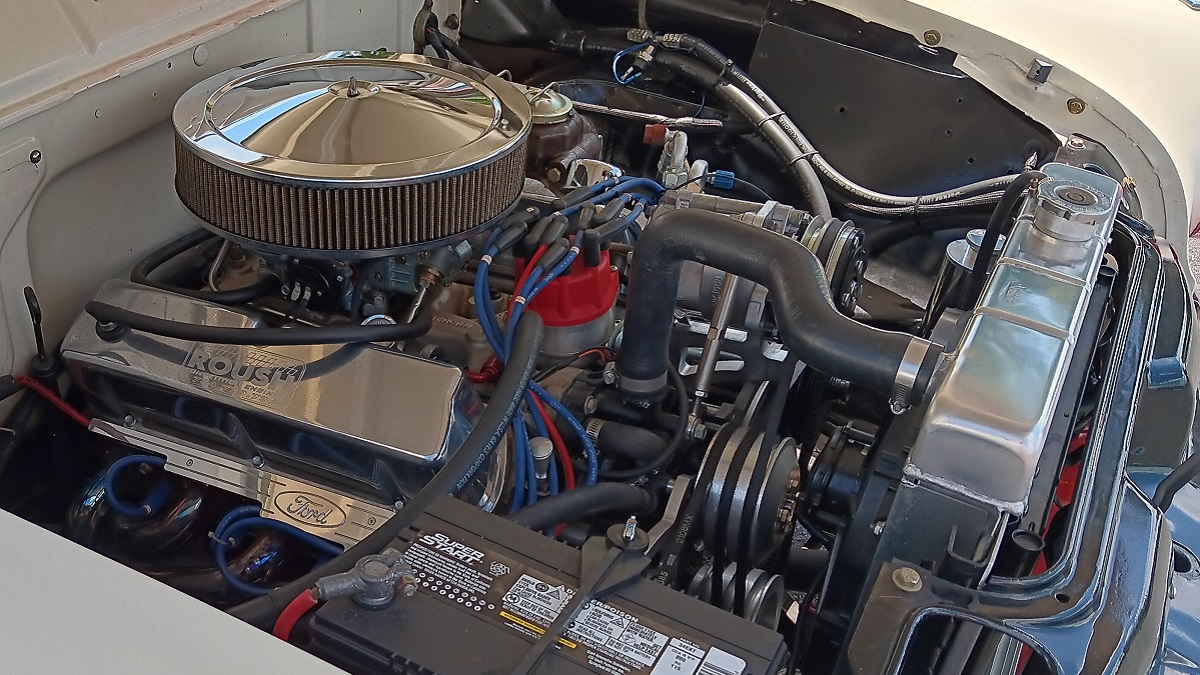
Classic car engines generate tremendous heat. Learn how to diagnose and fix cooling system problems, preserving your vintage beauty's performance and longevity. From radiators to thermostats, we cover it all...
Key Takeaways
- Understand your engine's needs
- Check coolant regularly, always
- Inspect hoses and belts often
- Radiator care is vital
- Address leaks promptly, always
Classic engines, particularly those from the 1950s, 60s, and 70s, were often designed with different engineering principles than modern engines. They frequently operated at higher compression ratios and lacked the advanced cooling technologies found in contemporary vehicles. This means they generate significantly more heat, placing a greater demand on the cooling system. Understanding the specific needs of your engine is the first step in preventative maintenance. A Ford flathead V8 will have different cooling requirements than a Chrysler Hemi, and even within those engine families, variations exist. Consult your car’s service manual for detailed specifications and recommended maintenance schedules.
The heart of any cooling system is, of course, the radiator. Classic radiators are typically made of brass or copper, materials known for their excellent heat dissipation properties, but also susceptible to corrosion over time. Scale and rust build-up within the radiator’s core restrict coolant flow and reduce its efficiency. Regular flushing is crucial. Use a specialized radiator flush designed for classic cars, as modern coolants can sometimes be too aggressive and damage older radiator materials. After flushing, it’s a good idea to pressure test the radiator to check for leaks. Inspect the fins carefully – bent or damaged fins impede airflow and reduce cooling efficiency. Straightening bent fins with a fin comb can restore some of the radiator's performance.
Hoses and belts are another common weak point in classic car cooling systems. Rubber degrades over time, becoming brittle and prone to cracking and leaks. Inspect hoses regularly for signs of deterioration, such as swelling, cracking, or softness. Feel the hoses – if they feel spongy, they’re likely deteriorating internally. Replace hoses proactively, rather than waiting for them to fail catastrophically. Similarly, check the condition of the drive belts that power the water pump. A slipping or broken belt will stop coolant circulation, leading to rapid overheating. Always use belts that meet the original equipment (OE) specifications for your vehicle.
The water pump is a critical component, responsible for circulating coolant throughout the engine and radiator. Classic water pumps often have simpler designs than their modern counterparts, making them potentially more vulnerable to failure. Listen for unusual noises coming from the water pump, such as whining or grinding sounds, which could indicate bearing failure. Also, check for coolant leaks from the water pump’s weep hole, a sign that the internal seals are failing. Replacing the water pump is a relatively straightforward process, and it’s often a good idea to do it as preventative maintenance, especially if the pump is original or hasn’t been replaced in many years.
The thermostat plays a vital role in regulating engine temperature. It opens and closes to maintain the optimal operating temperature, preventing the engine from running too hot or too cold. A malfunctioning thermostat can cause overheating or poor engine performance. Test the thermostat by placing it in a pot of water and heating the water. The thermostat should open at the temperature specified in your car’s service manual. If it doesn’t, replace it. Always use a thermostat with the correct temperature rating for your engine.
Coolant itself, also known as antifreeze, is a vital component of the cooling system. It not only helps to dissipate heat but also prevents corrosion and protects the engine’s cooling system components from freezing in cold weather. Classic cars often used green ethylene glycol-based coolants. While modern coolants offer improved corrosion protection and extended service life, they can sometimes react negatively with older radiator materials. Research the best coolant type for your classic car’s cooling system. A 50/50 mix of antifreeze and distilled water is generally recommended. Never use tap water, as it contains minerals that can cause corrosion.
The radiator cap is often overlooked, but it’s a crucial part of the cooling system. It maintains pressure within the cooling system, which raises the boiling point of the coolant. A faulty radiator cap can allow coolant to boil over, leading to overheating. Inspect the radiator cap’s seals for cracks or deterioration. Pressure test the cap to ensure it’s holding the correct pressure.
Beyond the core components, air flow is absolutely critical. Ensure the radiator’s airflow isn’t obstructed by debris, such as leaves or insects. A malfunctioning fan clutch can also restrict airflow. If your car has an electric fan, check that it’s operating correctly.
Diagnosing a classic car overheating problem can be tricky. Look for telltale signs, such as steam coming from under the hood, a temperature gauge reading in the red zone, and a sweet smell of coolant. Don’t ignore these signs – pull over and let the engine cool down before attempting to diagnose the problem.
Preventative maintenance is the key to keeping your classic car’s cooling system in top condition. Regular inspections, coolant flushes, hose replacements, and thermostat checks can prevent costly repairs down the road. Owning a classic car is a labor of love, and diligent maintenance is an essential part of that love. By understanding the intricacies of your classic car’s cooling system and following a preventative maintenance schedule, you can keep those cool engines running smoothly for years to come, enjoying the open road and the timeless appeal of your vintage beauty…
Leave a Comment
Comments
No comments yet. Be the first to share your thoughts!